How to Care for Custom Wooden Crates: Cleaning, Storage and Longevity
Custom wooden crates last for years when you clean them dry first and damp second, store them off the floor in a dry, ventilated space, and choose a finish that matches how hard they will be used. Get Custom Crates builds engraved and printed crates for display, gifting and shipping, and this guide covers cleaning, storage, transport and repair.
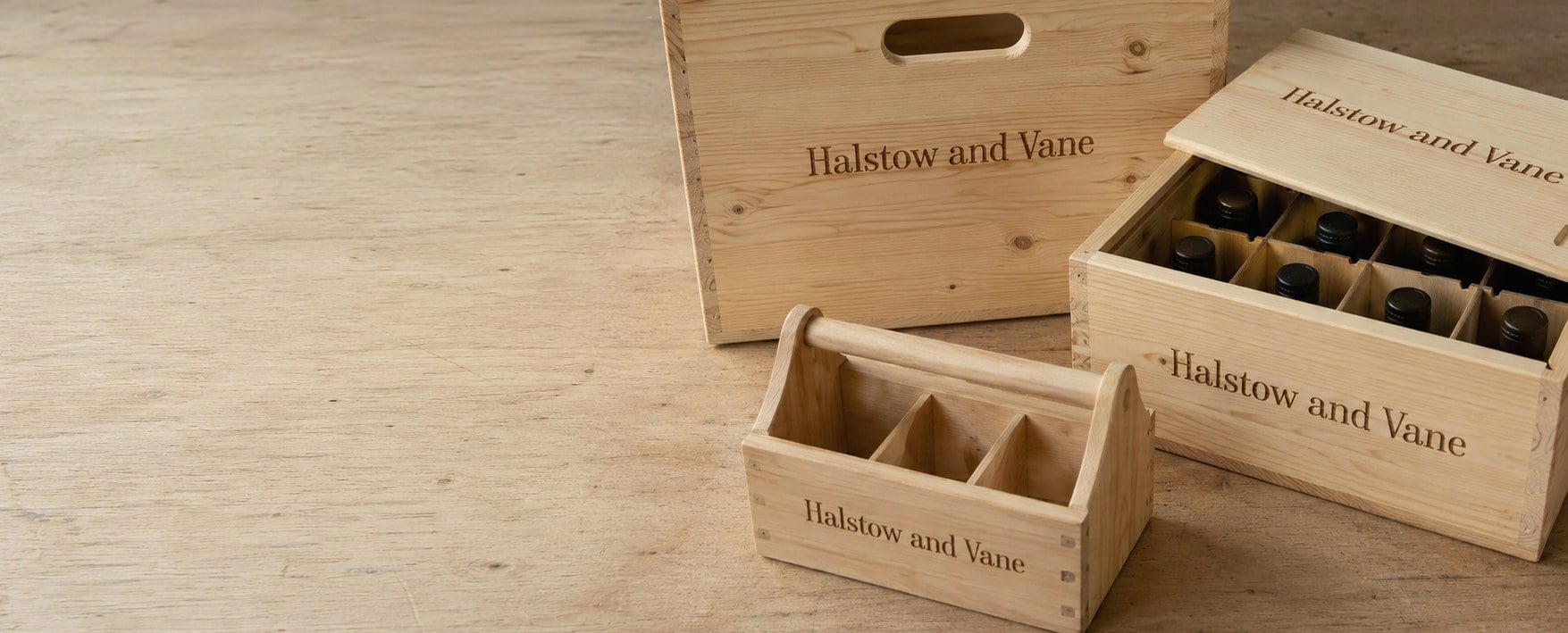
- Brush custom wooden crates dry first, then wipe with a barely damp cloth and towel dry
- Never soak, hose, pressure-wash or dishwasher a wooden crate
- Store crates empty, clean, off the floor and out of direct sun
- Engraved logos are cut into the wood; printed logos need gentler cleaning
- Get Custom Crates sends a free mockup within 24 hours so you can compare finishes
How do you clean custom wooden crates without damaging the wood or the logo?
Clean custom wooden crates dry first and damp second. Brush or vacuum loose dust and debris out of the corners and slat gaps, then wipe any marks with a cloth that is wrung out until it is barely damp. Dry the crate straight away with a clean towel and let it air out before it goes back into use. Never soak a crate, hose it down or leave it standing in water.
Wood moves when it absorbs water. A soaked crate can swell, raise its grain and then shrink unevenly as it dries, which loosens joints and roughens the surface around an engraved or printed logo. A light, quick wipe avoids all of that.
- Empty the crate and shake or brush out loose material.
- Use a soft brush along the slats and inside the corners where dust collects.
- Wipe marks with a barely damp cloth and a small amount of mild soap if needed.
- Wipe again with a clean damp cloth to remove soap residue.
- Towel dry and leave the crate in open air until fully dry before stacking or storing.
Skip harsh solvents, bleach-heavy cleaners and abrasive pads on the branded panels. They can strip a sealer, haze a stain and wear the edges of a printed logo faster than years of normal handling would.
How should custom wooden crates be stored between seasons and events?
Store custom wooden crates somewhere dry, shaded and ventilated, off the floor and away from heat sources. A shelf in a climate-steady storeroom is ideal; a damp basement corner or a hot trailer is the worst case. The goal is to keep the wood from cycling between wet and dry, or hot and cold, while it sits unused.
Seasonal users feel this most. A farm stand that packs away its display crates after the market season, a venue that rotates wedding decor crates, or a brand that ships booth crates between events all have crates sitting idle for weeks at a time. Those idle weeks are when warping, mildew and fading actually happen.
- Raise them: set crates on a pallet, shelf or blocks so they do not wick moisture from a concrete floor.
- Let them breathe: avoid sealing crates in plastic wrap, which traps moisture against the wood.
- Keep the sun off: direct sunlight through a window fades stains and printed logos over time.
- Stack with care: stack the heaviest crates at the bottom, keep stacks stable and put a soft layer between crates if the finish matters.
- Store empty: remove food residue, soil and packing material before storing so nothing attracts pests or holds damp.
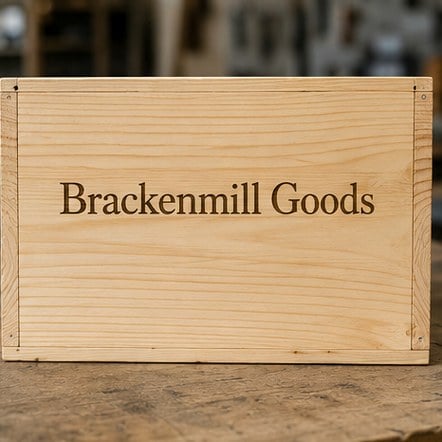
Which finish helps a custom wooden crate last longest?
A sealed or stained finish gives a custom wooden crate the most protection against spills, handling and humidity, while a natural unfinished crate gives the most rustic look but marks and absorbs moisture more easily. The right choice depends on where the crate will live and how often it gets handled, and it is worth deciding before you order rather than after the crates arrive.
Get Custom Crates can show each option on your mockup, so you can see how your logo reads on a natural, stained or sealed crate before approving anything. The table below compares the three in practical terms.
| Finish | Best for | Care notes |
|---|---|---|
| Natural, unfinished | Rustic display, decor, dry goods, light indoor use | Shows fingerprints and water marks more easily; dust and wipe gently, keep dry |
| Stained | Retail fixtures, gift crates, interiors that need a specific wood tone | Hides minor scuffs well; avoid harsh cleaners that can lift or haze the color |
| Sealed or clear-coated | High-handling use, cafe and taproom counters, event crates that travel | Wipes clean most easily; inspect edges for wear and avoid soaking at joints |
If crates will hold food or produce, tell the team how they will be used when you request a quote, so the finish recommendation matches the job. For a deeper look at the wood itself, read the blog guide comparing crate lumber, plywood and OSB.
Do engraved and printed logos on wooden crates need different care?
Engraved logos on custom wooden crates are cut into the wood, so they cannot peel and mainly need to be kept clean and dry. Printed logos sit on the surface, so they need gentler cleaning and less sun and abrasion to stay crisp. Both last well with the routine above; the difference is how forgiving each one is when a crate gets rough treatment.
With engraving, dust can settle in the engraved lines. A soft dry brush lifts it out without rubbing the surrounding surface. Avoid filling the engraving with wax or oil residue, which can darken the lines unevenly.
With printing, the main enemies are scrubbing, solvent cleaners and long sun exposure. Wipe printed panels lightly, never with an abrasive pad, and rotate display crates so the same printed face is not always facing a sunny window. The engraved custom wooden crates page explains the engraving method in more detail, and the earlier post on what survives on a crate compares both methods for durability.
How do you protect custom wooden crates that travel, ship and stack?
Protect traveling custom wooden crates by loading them evenly, keeping weight within what the crate was designed to carry, and padding the branded faces when crates are packed against each other. Most crate damage happens in transit and on loading docks, not on the shelf, so a few habits at packing time add years of use.
- Match the crate to the load. Lightweight display crates are not shipping crates. Use heavy-duty shipping crates for anything heavy or freight-bound.
- Lift from the base, not the top slat. Handles and base rails are built for lifting; a single top slat is not.
- Pad logo faces. Moving blankets or cardboard sheets between crates stop branded panels from rubbing.
- Strap stacks. A strapped stack does not shift and grind its corners during transport.
- Unpack promptly. Crates left in a wet truck or outdoor loading area absorb moisture fast.
Exhibitors who reuse booth crates across a show season should plan this from the start. The trade show and product launch crates page covers how display and shipping crates fit together for events.
When should a worn wooden crate be repaired, refinished or replaced?
Repair a custom wooden crate when the damage is local, such as one loose slat or a scuffed corner. Consider refinishing when the surface is worn but the structure is sound. Replace the crate when joints are failing, the base is cracked or the branded panel is damaged beyond a light touch-up, because a structurally weak crate is a safety issue once it is loaded.
A simple inspection routine before each season or event catches problems early. Check that every slat is firm, the base is flat, handles feel solid and there is no splitting around fasteners. Look at the logo panel in good light and note any fading or chips.
Replacing a few crates is easier when the original order is documented. Keep the approved mockup and order details on file, so a reorder can match the size, finish and logo placement of the crates already in use. Get Custom Crates can work from your approved artwork for a reorder, and the standard turnaround of about 2 weeks after approval makes it practical to top up a set before a busy season.
What care decisions should you make before ordering custom crates?
The easiest custom wooden crates to care for are the ones specified for their real job from the start. Before ordering, decide where the crates will live, what they will hold, how often they will move and who will clean them. Those answers point to the right style, finish and decoration method.
- Will the crates sit indoors on display, or travel and get handled daily?
- Will they hold food, produce, bottles, merchandise or decor?
- Will they be stored for part of the year, and where?
- Does the logo need to stay crisp for years, or for one event?
Share those answers in your quote request. Get Custom Crates sends a free mockup within 24 hours, offers unlimited free revisions, and you pay nothing until you approve the design. The how it works page walks through each step from request to delivery.
Frequently asked questions
What is the safest way to wipe down custom wooden crates after a busy week of use?
Custom wooden crates are safest to clean with a soft brush first, then a cloth wrung out until barely damp, with a little mild soap only where marks remain. Wipe soap away with a clean damp cloth, towel dry at once and let the crate air out before stacking. Never soak, hose down or scrub with abrasive pads, since water and grit damage both wood and logo.
Should custom wooden crates be kept out of direct sunlight?
Custom wooden crates last longer and keep their color when they are kept out of long, direct sunlight. Strong sun gradually fades stains, lightens natural wood unevenly and can dull a printed logo. Display crates near a sunny window should be rotated now and then so one face does not take all the exposure. Get Custom Crates can suggest a finish suited to a bright retail space.
Can custom wooden crates be stored in a garage or shed over winter?
Custom wooden crates can be stored in a garage or shed if the space stays dry and the crates sit off the floor on shelves or a pallet. Damp, unventilated sheds are the problem, because moisture causes warping and mildew. Store crates empty and clean, avoid wrapping them tightly in plastic, and check them before the season starts so any loose slats are found early.
How do I remove sticky tape or label residue from a wooden crate?
Wooden crates usually release tape and label residue with gentle warmth and patience rather than strong solvents. Peel slowly, then rub the remaining residue with a cloth and a small amount of mild soap and water. Test any stronger remover on a hidden spot first, and keep it well away from printed logos and stained panels, where solvents can lift color or leave a hazy patch.
Can a scratch on a custom wooden crate be sanded out without harming the logo?
Custom wooden crates with a light scratch on a plain panel can often be sanded gently with fine sandpaper along the grain and touched up with a matching finish. Avoid sanding near the logo, especially a printed one, because sanding removes surface decoration quickly. Engraved logos are cut into the wood but can still lose crisp edges if sanded hard, so leave branded areas alone.
Will wood oil or wax change the look of a custom wooden crate?
Custom wooden crates usually look darker and richer after oil or wax, especially natural unfinished crates, and the change is hard to reverse. Test on the underside first. Oil can also settle into engraved lines and darken them unevenly, and some products interfere with printed logos. Ask Get Custom Crates which finish to choose up front so later treatment is rarely needed.
How do I stop custom wooden crates from smelling musty in storage?
Custom wooden crates smell musty when they are stored damp, sealed in plastic or packed with food or soil residue. Clean and fully dry every crate before storing it, keep the storage area ventilated, and leave space between stacks so air moves. A crate that already smells musty should be aired out in a dry, shaded spot before it goes back into use.
Can custom wooden crates be nested or stacked for storage?
Custom wooden crates of the same size usually stack well for storage, while nesting works only when an order includes graduated sizes designed to fit inside each other. Put the heaviest crates at the bottom, keep stacks straight and stable, and slip a soft sheet between crates whose branded faces touch. Get Custom Crates can plan sizes that nest if storage space is tight.
What should I do if a slat on a custom wooden crate cracks?
Custom wooden crates with a cracked slat should be taken out of loaded use until the slat is fixed or the crate is replaced. A crack along a non-structural side slat can often be repaired, but a cracked base or a split around fasteners means the crate may fail under weight. When several crates show wear, a matching reorder from your approved artwork is usually simpler.
Can custom wooden crates go in a dishwasher or be pressure-washed?
Custom wooden crates should never go in a dishwasher or be pressure-washed. High heat, long water exposure and strong spray swell the wood, loosen joints, raise the grain and wear away finishes and printed logos. A soft brush, a barely damp cloth and quick drying keep a crate clean without damage. Mention heavy-cleaning needs in your quote so the finish can be matched.
How do I keep a printed logo on a wooden crate looking sharp for years?
Wooden crates with a printed logo stay sharp longest when the printed panel is cleaned gently, kept out of strong sun and protected from rubbing in transit. Avoid abrasive pads and solvent cleaners on the print, pad logo faces when crates are packed together, and rotate display crates. Get Custom Crates can recommend engraving instead if your crates will take heavy handling.
Can Get Custom Crates recommend a finish that fits how my crates will be cleaned?
Get Custom Crates can recommend a crate finish once you explain where the crates will be used, what they will hold and how often they will be cleaned. Include those details in the quote request. The free mockup arrives within 24 hours, revisions are unlimited and free, and you pay nothing until you approve the design, so you can compare finishes before committing.
Get a free mockup for your crates
Send your logo or idea and the quantity you have in mind. Get Custom Crates returns a free mockup within 24 hours, you approve the design before anything is produced, and standard turnaround is about two weeks with faster options available. Get a custom quote.